UGC Videos vs Traditional Video Ads: Which Converts Better, and Why?
 Daniel Hangan3 min read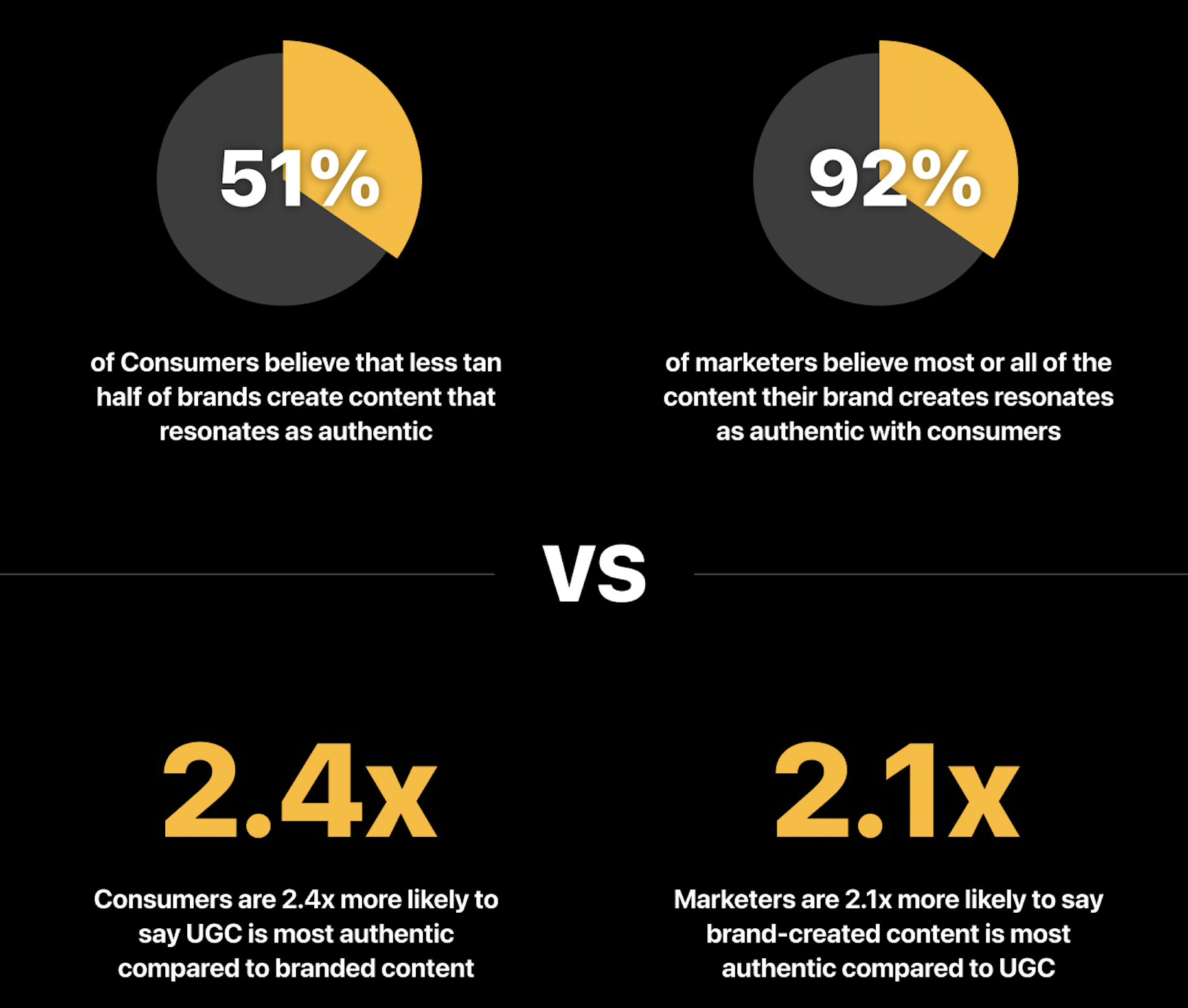
UGC videos usually convert better than traditional video ads because they feel authentic, build trust faster, and blend naturally into social feeds. Traditional ads still have value for branding, but UGC wins for performance and ad testing.
Video ads are everywhere, but not all video ads perform the same.
As brands compete for attention on TikTok, Instagram, and Meta, a clear pattern has emerged: UGC videos consistently outperform traditional video ads when it comes to engagement, click-through rate, and conversions.
But why is that happening? And does it mean traditional video ads are obsolete?
In this guide, we break down UGC videos vs traditional video ads, compare how they perform, and explain why one converts better than the other in today’s digital landscape.
What Are UGC Videos?
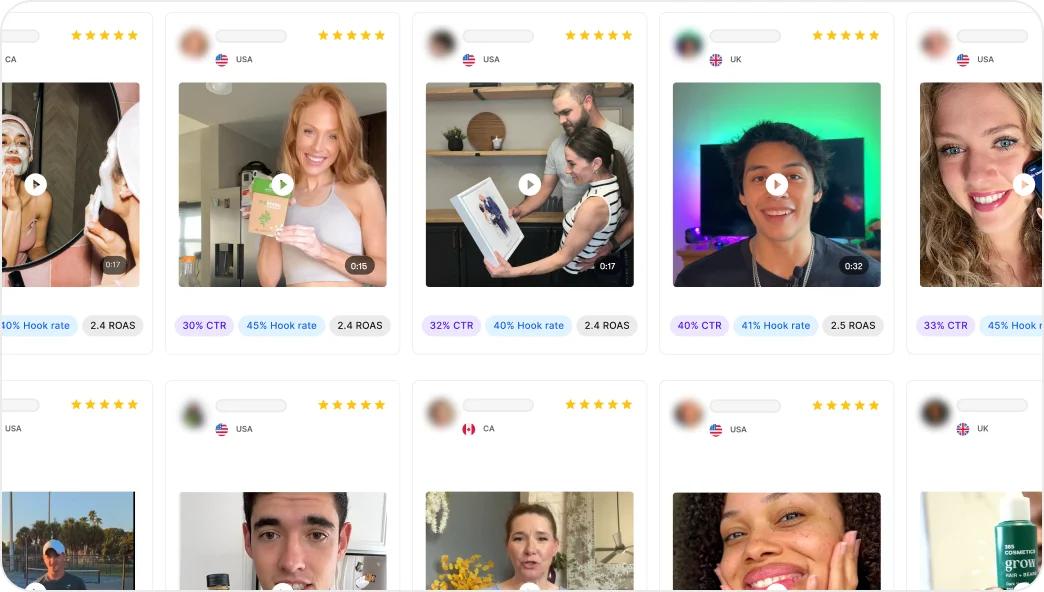
UGC (User-Generated Content) videos are short-form videos created by real people, not brands or production teams. In marketing, they typically include:
- Reaction-style videos
- Testimonials and first impressions
- Problem-solution explanations
- “Talking to the camera” content filmed on phones
UGC videos are designed to look native, not polished. That’s intentional.
What Are Traditional Video Ads?
Traditional video ads are produced by brands, agencies, or in-house teams and usually involve:
- Professional cameras and lighting
- Scripted messaging
- Polished editing and branding
- Higher production budgets
These ads often feel like ads, and that distinction matters more than it used to.
The Core Difference: Perception
The biggest difference between UGC and traditional ads isn’t quality.
It’s how viewers perceive them.
- UGC feels like content
- Traditional ads feel like marketing
And perception directly impacts conversion.
Which Converts Better?
For most performance-driven campaigns, UGC videos convert better.
Across paid social platforms, brands regularly see:
- Higher thumb-stop rates
- Better watch time in the first 3 seconds
- Higher click-through rates
- Lower cost per acquisition
That doesn’t happen by accident.
Why UGC Videos Convert Better
1. UGC Builds Trust Faster
People trust people, not brands.
UGC videos work because they feel like:
- Honest opinions
- Real experiences
- Unscripted reactions
Viewers subconsciously think:
“This looks like someone like me.”
Traditional ads don’t benefit from that social proof.
2. UGC Looks Native in Social Feeds
Platforms reward content that blends in.
UGC videos:
- Match the style of organic posts
- Use casual language and framing
- Don’t interrupt the scrolling experience
Traditional video ads often stand out in the wrong way.
3. UGC Wins the First 3 Seconds
On platforms like TikTok and Instagram, attention is earned instantly.
UGC creators naturally:
- Start with emotion or curiosity
- Speak directly to the viewer
- Avoid slow intros
Traditional ads often spend the first seconds on logos or context, which hurts performance.
4. UGC Is Easier to Test and Iterate
Conversion optimization depends on testing.
UGC makes it easier to:
- Test multiple hooks
- Swap creators
- Try different angles quickly
Traditional ads are harder and more expensive to change once produced.
5. UGC Feels More Relevant
UGC often reflects:
- Current language
- Cultural context
- Platform trends
Traditional ads age faster because they’re planned further in advance.
Where Traditional Video Ads Still Win
UGC isn’t always the right choice.
Traditional video ads still perform well for:
- Brand awareness campaigns
- Product launches
- TV or YouTube placements
- High-end or luxury positioning
They’re built for perception at scale, not rapid testing.
Why Performance Marketers Prefer UGC
Performance marketing is about learning fast.
UGC supports that by allowing brands to:
- Launch more creatives
- Learn what resonates
- Scale winners quickly
That’s why platforms focused on real UGC-like UGC Humans and Dan’s UGC Models are becoming core tools for modern ad teams.
The Best Strategy Isn’t Either/Or
The strongest brands don’t choose between UGC and traditional ads; they use both strategically.
A common approach:
- Use UGC for testing, iteration, and performance
- Use traditional video ads for brand moments and storytelling
UGC finds what converts.
Traditional ads amplify the message.
Final Verdict
If your goal is conversions, efficiency, and faster learning, UGC videos usually outperform traditional video ads.
If your goal is brand perception and storytelling at scale, traditional ads still matter.
In today’s market, the brands that win aren’t the ones with the most polished videos; they’re the ones that adapt fastest to how people actually consume content.
And right now, that content looks a lot like UGC.